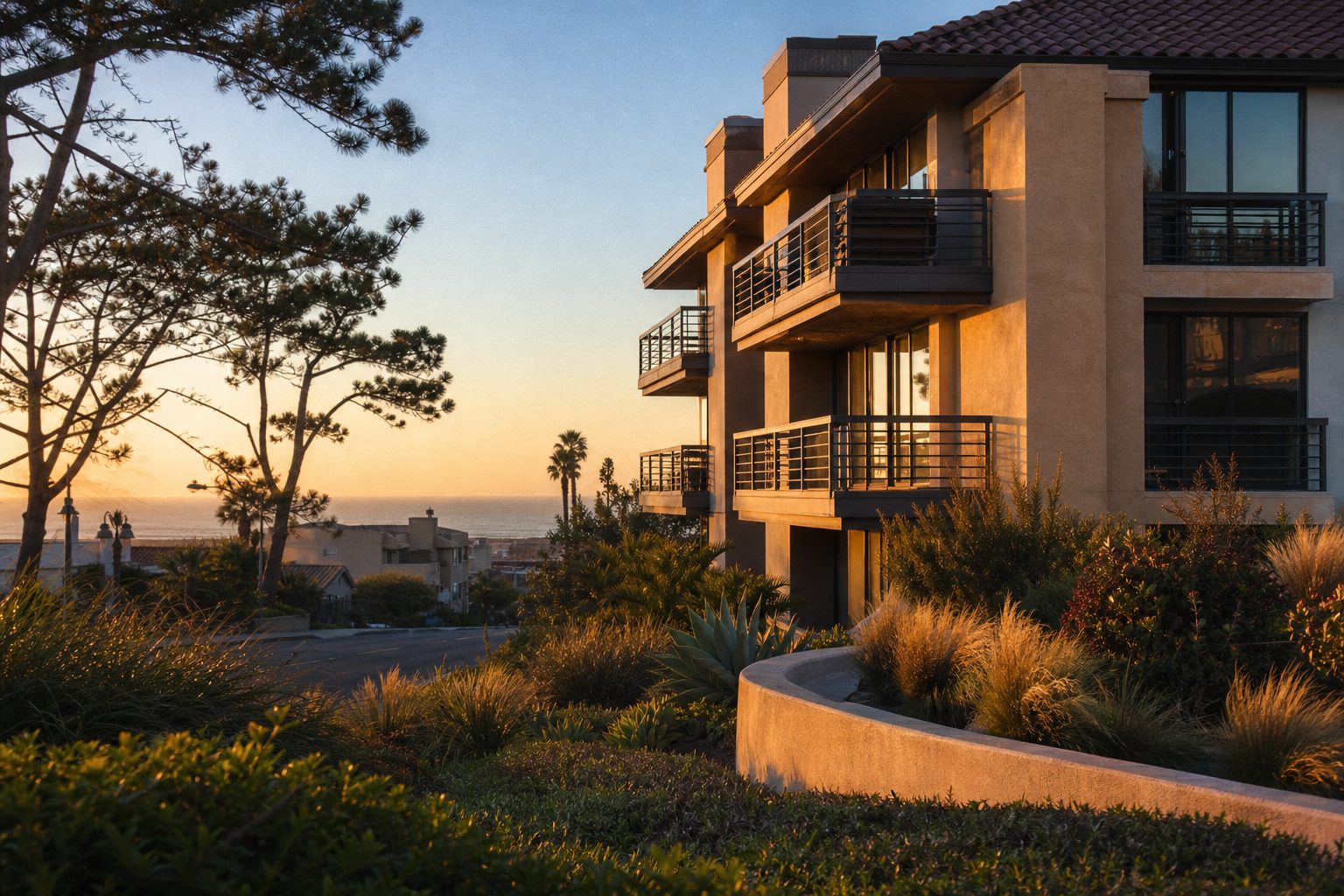
What are the real risks of buying a short-term rental property in Pacific Beach, San Diego, in 2026, and what do investors miss before closing?
[SNIPPET ANSWER: Pacific Beach STR risks in 2026 include Tier 3 permit caps nearing capacity, non-transferable licenses, HOA veto power over rentals, aggressive city enforcement with $1,000/day fines, and coastal zone restrictions that limit property modifications.]
Why Pacific Beach STR Investing in San Diego Feels Different in 2026
If you’ve been eyeing Pacific Beach as a short-term rental play, I understand the appeal. Blocks from the boardwalk, strong tourist demand year-round, and a lifestyle that practically sells itself on booking platforms. But here’s what I tell my investor clients: the regulatory landscape in San Diego has fundamentally changed since the STRO ordinance took full effect.
With 16 years of experience in San Diego real estate and over 275 closed transactions, I’ve watched this market evolve from a loosely regulated vacation rental environment into one of the most tightly controlled STR markets in California. The City’s enforcement hit full operational maturity in 2025 and 2026, and the days of flying under the radar are over.
San Diego’s countywide median home price reached $925,000 in May 2026, and coastal communities like Pacific Beach command premiums well above that. So you’re not just facing regulatory risk. You’re facing regulatory risk on a high-dollar asset. That combination deserves careful analysis before you write an offer.
San Diego’s STR Permit Cap System and What It Means for Pacific Beach Investors
Here’s where things get specific. The City of San Diego uses a four-tier licensing system for short-term residential occupancies:
- Tier 1 allows part-time rentals of your primary residence for fewer than 20 days per year. The fee is $226, and there’s no cap.
- Tier 2 is home-sharing on your primary residence for 20 or more days per year. The fee is $317, and there’s no cap.
- Tier 3 covers whole-home rentals outside Mission Beach. The fee is $1,170, and these are capped at roughly 1% of the city’s total housing stock, approximately 5,400 licenses citywide.
- Tier 4 applies only to Mission Beach whole-home rentals. As of March 2026, all Tier 4 licenses have been issued and the waitlist is closed.
For most investors targeting Pacific Beach, Tier 3 is the relevant category. And as of late 2025, fewer than 900 Tier 3 licenses remained available citywide. Pacific Beach sits in a high-demand coastal zone where applications cluster heavily. Whether you can obtain a new license depends on your parcel’s location within the City’s official map and the current cap status at the time you apply.
What does that mean in practical terms? If you close on a property and the Tier 3 cap has been reached by the time you submit your application, you have a coastal property with no legal path to operate it as a whole-home STR. A cloudy mind can’t make decisions, and this is exactly the kind of issue that gets cloudy fast when you’re excited about a deal.
Why License Non-Transferability in San Diego Is the Risk Investors Miss Most
This one catches people off guard constantly. I had an investor client last year who found what looked like a perfect Pacific Beach acquisition: a well-reviewed STR with strong booking history, solid revenue numbers, and great proximity to Garnet Avenue and the boardwalk. On paper, it was a turnkey cash-flow machine.
Here’s the problem. STRO licenses in San Diego are non-transferable. When the property changes hands, the seller’s license doesn’t come with it. You, as the new owner, must apply for a brand-new license in your own name. And if the Tier 3 cap has been reached by then, you simply cannot get one.
That investor I worked with? We caught this in due diligence. We verified the cap status, confirmed licensing eligibility for the specific address, and structured the timeline so the application was filed immediately after closing. It worked out, but only because we treated licensing as a gating item, not an afterthought.
Additional details that matter here:
- You can only hold one STRO license and operate one dwelling unit at a time
- Missing your renewal deadline means losing your license, and under Tier 3, you might not get it back due to cap limits
- Applications will not be processed for properties with pending code enforcement actions
- Operating without a license carries fines of $1,000 per day
HOA Restrictions That Override Your San Diego STR License
Even if the City grants you a Tier 3 license, your HOA can still say no. This is the second layer of risk that Pacific Beach condo and townhome investors need to understand.
Many Pacific Beach buildings, especially the older complexes near Mission Boulevard and along Riviera Drive, have CC&Rs that either prohibit short-term rentals outright or impose rental minimums of 30 days or more. An HOA prohibition supersedes the city license. It doesn’t matter what the City permits if your association bans it.
What makes this even more dynamic is that HOAs can amend their CC&Rs with a member vote at any time. So even if rentals are currently allowed in your building, a future vote could eliminate that right. I’ve watched this happen in San Diego communities where a few noisy guests pushed the HOA to restrict all short-term activity.
Your due diligence checklist should include:
- Requesting and reviewing full HOA documents for first-time buyers in San Diego before making an offer
- Confirming there are no pending HOA votes regarding rental restrictions
- Checking the HOA’s insurance requirements, which may conflict with STR operations
- Evaluating SB 326 balcony and exterior inspection compliance, which is driving up special assessments in older coastal buildings and squeezing operating margins
With 180 five-star client reviews and a track record as an Associate Broker, I’ve learned that the most expensive surprises in real estate are the ones hiding in documents most people don’t read carefully enough.
Taxes, Operating Costs, and Cash Flow Compression in Pacific Beach
Let’s talk about what STR operation actually costs in Pacific Beach once you’re licensed and legal.
Transient Occupancy Tax (TOT) runs 10.5% of gross rental revenue. In most coastal areas, an additional 2% Tourism Marketing District fee applies, bringing your effective tax rate to 12.5% of every dollar a guest pays.
Beyond TOT, you’re looking at:
- STRO license fees of $1,170 every two years (non-refundable)
- Property management typically running 20-25% of gross revenue if you’re not self-managing
- Insurance premiums that are higher for STR properties than traditional rentals
- Cleaning, maintenance, and furnishing costs that erode margins quickly in a coastal salt-air environment
- Rising HOA dues in condo buildings dealing with deferred maintenance and SB 326 compliance
In January 2026, the San Diego City Council rejected a proposed $8,000 annual tax on vacant second homes and full-time vacation rentals. It didn’t pass this time, but the fact that it reached a vote tells you where the political winds are blowing.
One investor I worked with in a nearby San Diego coastal neighborhood ran detailed projections showing 72% occupancy and strong nightly rates. After factoring in TOT, insurance, management, and financial considerations of buying a home, the actual net return dropped to less than 4%. That’s when we had a productive conversation about whether long-term rental or a different neighborhood might serve the investment goals more effectively.
Coastal Zone Complications Unique to Pacific Beach Properties
Pacific Beach falls within San Diego’s coastal zone, which triggers additional layers of regulation most inland investors have never encountered.
The City’s Local Coastal Program and the California Coastal Act apply here. Certain changes of use or development in the coastal zone require additional coastal review or permits. If you’re planning to remodel a property to optimize it for STR use, you need to confirm whether your plans trigger coastal permitting requirements.
Additionally, Proposition D, approved by San Diego voters in 1972, created the Coastal Height Limit Overlay Zone. This imposes a 30-foot height cap in defined coastal areas, including Pacific Beach. That limits your ability to add square footage through vertical expansion, which directly impacts renovation ROI calculations.
San Diego’s Enforcement Is Now Automated and Aggressive
If you’re thinking about operating without a license, even temporarily, consider this: San Diego’s Building and Land Use Enforcement team now uses automated data-sharing agreements with major booking platforms. As of January 2026, California Senate Bill 346 empowers the city to require platforms to share host and listing data, with platforms facing fines up to $10,000 per day for noncompliance.
Unlicensed listings are flagged and removed faster than ever before. Fines start at $1,000 per day, and repeat violations can result in permanent disqualification from future licensing.
Frequently Asked Questions About Pacific Beach STR Investing in San Diego
Can I transfer an existing STR license when I buy a Pacific Beach property?
No. STRO licenses in San Diego are non-transferable between ownership or location. When you purchase a property, even one with an active STR license, you must apply for a new license in your own name. If the Tier 3 cap has been reached, you may not receive one.
How many Tier 3 STR licenses are left in San Diego?
As of late 2025, approximately 896 Tier 3 licenses remained available out of the citywide cap of roughly 5,400. This number changes as licenses are issued, surrendered, or expire. Verify current availability through the City Treasurer’s Office before making any purchase decision.
What happens if I operate an STR without a license in Pacific Beach?
Operating without a license has been unlawful since May 1, 2023. Fines reach $1,000 per day, and the City’s automated platform data-sharing agreements mean unlicensed listings are identified quickly.
Can my HOA block me from running an STR even if the city approves my license?
Yes. HOA CC&Rs can independently prohibit or restrict short-term rentals regardless of city licensing. An HOA prohibition supersedes your city permit.
What is the Transient Occupancy Tax rate for Pacific Beach STRs?
The base TOT rate is 10.5% of gross rental revenue. Most coastal areas also carry a 2% Tourism Marketing District fee, bringing the effective rate to 12.5%.
Can I use an ADU as a short-term rental in San Diego?
No. The San Diego Municipal Code prohibits using ADUs for short-term rental. Doing so will result in a code violation.
Do coastal zone regulations affect STR operations in Pacific Beach?
Yes. Parts of Pacific Beach fall within the coastal zone, which can trigger additional review requirements for changes of use or development. The 30-foot height limit also restricts expansion options.
How long does an STRO license last?
Licenses expire two years from the date of issuance. All fees are non-refundable. Missing your renewal deadline under Tier 3 can mean losing your license permanently if the cap is full.
Was a vacancy tax passed for San Diego vacation rentals?
No. The San Diego City Council rejected a proposed $8,000 annual tax on vacant second homes and full-time vacation rentals in January 2026. However, the political discussion remains active.
What should I verify before closing on a Pacific Beach STR property?
At minimum, confirm Tier 3 cap status, verify license eligibility for the specific address, review the financial considerations of buying a home, check for any pending code enforcement actions on the parcel, and determine whether coastal zone permitting applies.
The Bottom Line on Pacific Beach STR Investing in San Diego
Pacific Beach remains an attractive location, but the investment math requires you to think like a compliance strategist, not just a cash-flow optimizer. The permit cap is shrinking, licenses don’t transfer, HOAs hold veto power, and enforcement is data-driven and aggressive.
If you treat licensing as a gating item before you write an offer, not something to figure out after closing, you can still find opportunities that work. But it takes careful due diligence, realistic projections, and understanding what you need to get pre-approved for a home loan in San Diego. Give me a call at 858-405-0002, or visit my office at 16516 Bernardo Center Dr. Ste. 300. Let’s look at the numbers together and build a plan you feel confident about.
*This blog is for informational purposes only and does not constitute legal or tax advice. Consult qualified legal and tax professionals regarding your specific situation. DRE# 01509668.*